
Interleukine (IL)
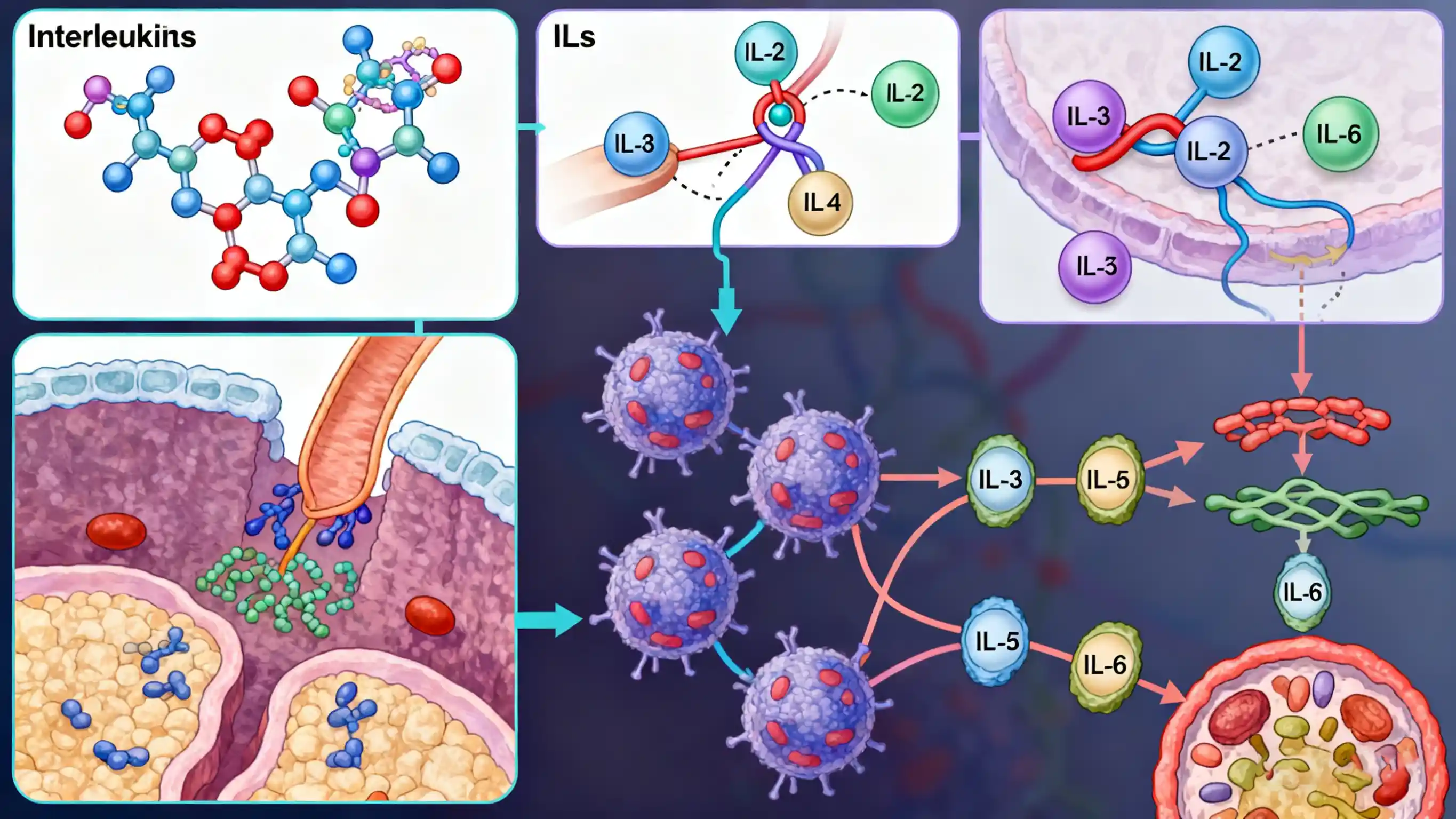
Interleukine (IL) sind eine Gruppe von Zytokinen (geäußerte Proteine und Signal-Moleküle), die erstmals als Expression durch weiße Blutkörperchen (Leukozyten) beobachtet wurden. Die Funktion des Immunsystems hängt in großem Maße von Interleukinen ab, und es wurden seltene Defizite bei einer Reihe davon beschrieben, alle gekennzeichnet durch autoimmune Erkrankungen oder Immunschwäche. Der Großteil der Interleukine wird durch Helfer-CD4 T-Lymphozyten sowie über Monozyten, Makrophagen und Endothelzellen synthetisiert. Sie fördern die Entwicklung und Differenzierung von T- und B-Lymphozyten sowie hämatopoetischen Zellen.
Viele Interleukine werden basierend auf strukturellen Ähnlichkeiten, Rezeptorketten-Nutzung und funktionalen Eigenschaften in Familien eingeteilt. Beispiele umfassen die IL-1-Familie, IL-2-Familie, IL-6-Familie, IL-10-Familie, IL-12-Familie, IL-17-Familie und andere. Jede Familie hat einzigartige Merkmale und spielt spezifische Rollen in der Immunregulation und Entzündung.
Produktliste
| Ziel | Katalog-Nr. | Produktname | Reaktivität | Vorhergesagte MW |
|---|---|---|---|---|
| IL-11 | PPH0861 | Rekombinantes Human IL-11 | Human | 19 kDa |
| IL-2 (C-6His) | PHR0994 | Rekombinantes Ratte IL-2 (C-6His) | Ratte | 16.3 kDa |
| IL-12 (C-6His) | PHR0985 | Rekombinantes Ratte IL-12 (C-6His) | Ratte | 36.7&22.6 kDa |
| IL-5 (C-6His) | PHM2084 | Rekombinantes Maus IL-5 (C-6His) | Maus | 13.9 kDa |
| IL-11 (C-Fc) | PHM1933 | Rekombinantes Maus IL-11 (C-Fc) | Maus | 46.3 kDa |
| IL-7 (C-6His) | PHM1013 | Rekombinantes Maus IL-7 (C-6His) | Maus | 15.9 kDa |
| IL-3 (C-6His) | PHM1004 | Rekombinantes Maus IL-3 (C-6His) | Maus | 16.5 kDa |
| IL-27 (C-6His) | PHM1002 | Rekombinantes Maus IL-27 (C-6His) | Maus | 49 kDa |
| IL-12 | PHM0984 | Rekombinantes Maus IL-12 | Maus | 35.8&21.7 kDa |
| IL-13 (106AA,C-6His) | PHM0868 | Rekombinantes Maus IL-13 (106AA,C-6His) | Maus | 12.7 kDa |
| IL-13 (110AA, C-6His) | PHM0867 | Rekombinantes Maus IL-13 (110AA, C-6His) | Maus | 13.1 kDa |
| IL-1a (C-Fc) | PHH2348 | Rekombinantes Human IL-1a (C-Fc) | Human | 44.9 kDa |
| IL-13 (C-mFc) | PHH2222 | Rekombinantes Human IL-13 (C-mFc) | Human | 38.7 kDa |
| IL-13 (C-Fc) | PHH2151 | Rekombinantes Human IL-13 (C-Fc) | Human | 39.2 KDa |
| IL-4 (C-Fc) | PHH2150 | Rekombinantes Human IL-4 (C-Fc) | Human | 41.9 KDa |
| IL-5 (C-mFc) | PHH2112 | Rekombinantes Human IL-5 (C-mFc) | Human | 39.8 KDa |
| IL-2 Superkine (Mutant,C-6His) | PHH1918 | Rekombinantes Human IL-2 Superkine (Mutant,C-6His) | Human | 16.5 KDa |
| IL-7 (C-6His) | PHH0937 | Rekombinantes Human IL-7 (C-6His) | Human | 18.4 KDa |
| IL-5 (C-6His) | PHH0932 | Rekombinantes Human IL-5 (C-6His) | Human | 14.2 KDa |
| IL-4 (C-6His) | PHH0931 | Rekombinantes Human IL-4 (C-6His) | Human | 16 KDa |
| IL-4 (Mammalian) | PHH0929 | Rekombinantes Human IL-4 (Mammalian) | Human | 14.97 KDa |
| IL-3 (C-6His) | PHH0920 | Rekombinantes Human IL-3 (C-6His) | Human | 16.1 KDa |
| IL-2 (C-6His) | PHH0897 | Rekombinantes Human IL-2 (C-6His) | Human | 16.4 KDa |
| IL-18 (C-6His) | PHH0881 | Rekombinantes Human IL-18 (C-6His) | Human | 19.25 KDa |
| IL-13 (C-6His) | PHH0866 | Rekombinantes Human IL-13 (C-6His) | Human | 13.4 KDa |
| IL-12 | PHH0862 | Rekombinantes Human IL-12 | Human | 22.5&34.7 KDa |
| IL-10 | PHH0857 | Rekombinantes Human IL-10 | Human | 18.6 KDa |
| IL-8 (C-6His) | PHH0480 | Rekombinantes Human IL-8 (C-6His) | Human | 10.1 KDa |
| IL-1b (C-6His) | PEV0972 | Rekombinantes Cavia porcellus IL-1b (C-6His) | Cavia porcellus | 18.2 KDa |
| IL-1a | PER0971 | Rekombinantes Ratte IL-1a | Ratte | 17.9 KDa |
| IL-21 (N-6His) | PEM0996 | Rekombinantes Maus IL-21 (N-6His) | Maus | 16.5 KDa |
| IL-4 | PEM0930 | Rekombinantes Maus IL-4 | Maus | 13.4 KDa |
| IL-21 | PEM0904 | Rekombinantes Maus IL-21 | Maus | 14.4 KDa |
| IL-2 | PEM0898 | Rekombinantes Maus IL-2 | Maus | 17.4 KDa |
| IL-1b | PEM0890 | Rekombinantes Maus IL-1b | Maus | 17.4 KDa |
| IL-1a | PEM0887 | Rekombinantes Maus IL-1a | Maus | 18 KDa |
| IL-18 (N-6His) | PEM0883 | Rekombinantes Maus IL-18 (N-6His) | Maus | 19.7 KDa |
| IL-16 (N-6His) | PEM0875 | Rekombinantes Maus IL-16 (N-6His) | Maus | 14.5 KDa |
| IL-13 (106AA) | PEM0869 | Rekombinantes Maus IL-13 (106AA) | Maus | 11.7 KDa |
| IL-10 | PEM0858 | Rekombinantes Maus IL-10 | Maus | 18.9 KDa |
| OSM (N-6His) | PEH2009 | Rekombinantes Human OSM (N-6His) | Human | 24.44 KDa |
| IL-2 (aldesleukin) | PEH1851 | Rekombinantes Human IL-2 (aldesleukin) | Human | 15.5 KDa |
| IL-37 | PEH1006 | Rekombinantes Human IL-37 | Human | 18.7 KDa |
| IL-7 | PEH0936 | Rekombinantes Human IL-7 | Human | 17.5 KDa |
| IL-4 (E. coli) | PEH0928 | Rekombinantes Human IL-4 (E. coli) | Human | 15.1 KDa |
| IL-31 | PEH0921 | Rekombinantes Human IL-31 | Human | 15.8 KDa |
| IL-3 (N-6His) | PEH0919 | Rekombinantes Human IL-3 (N-6His) | Human | 16.6 KDa |
| IL-21 | PEH0903 | Rekombinantes Human IL-21 | Human | 15.6 KDa |
| IL-20 | PEH0899 | Rekombinantes Human IL-20 | Human | 17.7 KDa |
| IL-2 | PEH0896 | Rekombinantes Human IL-2 | Human | 15.5 KDa |
| IL-1F10 | PEH0889 | Rekombinantes Human IL-1F10 | Human | 16.9 KDa |
| IL-1a | PEH0888 | Rekombinantes Human IL-1a | Human | 18 KDa |
| IL-1b | PEH0886 | Rekombinantes Human IL-1b | Human | 17.5 KDa |
| IL-18 | PEH0882 | Rekombinantes Human IL-18 | Human | 18.2 KDa |
| IL-16 | PEH0874 | Rekombinantes Human IL-16 | Human | 13.4 KDa |
| IL-15 | PEH0870 | Rekombinantes Human IL-15 | Human | 12.5 KDa |
| CNTF | PEH0426 | Rekombinantes Human CNTF | Human | 22.93 KDa |
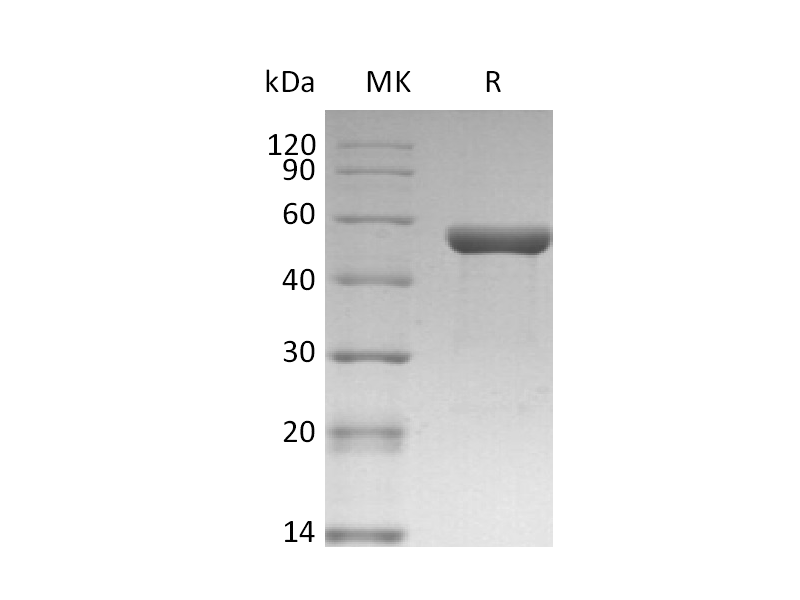
Validierungsdaten
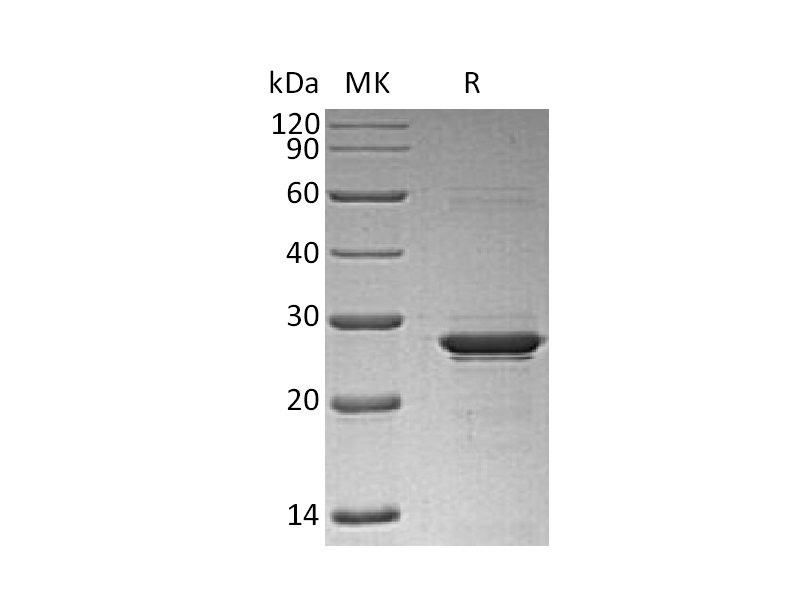
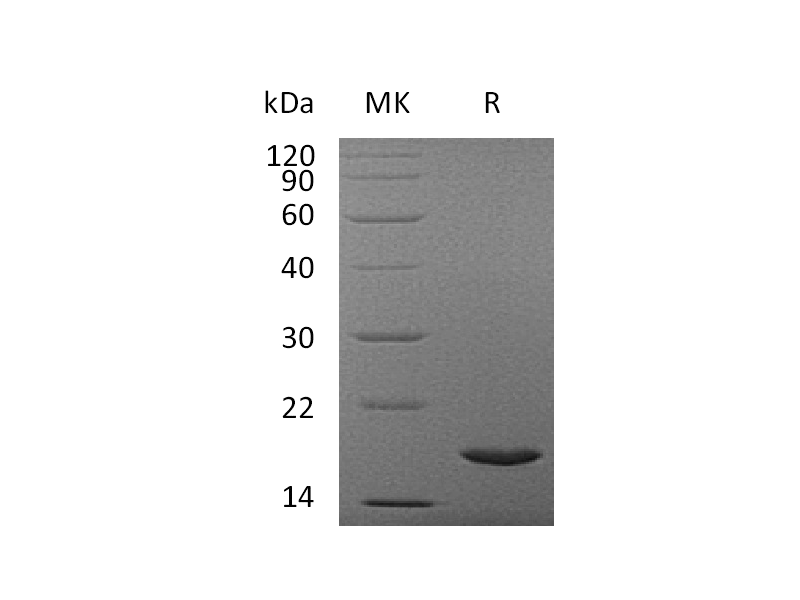
Rekombinantes Human IL-1F10 (Katalog: PEH0889) Rekombinantes Maus IFN gamma (E. coli) (Katalog: PHH2348)
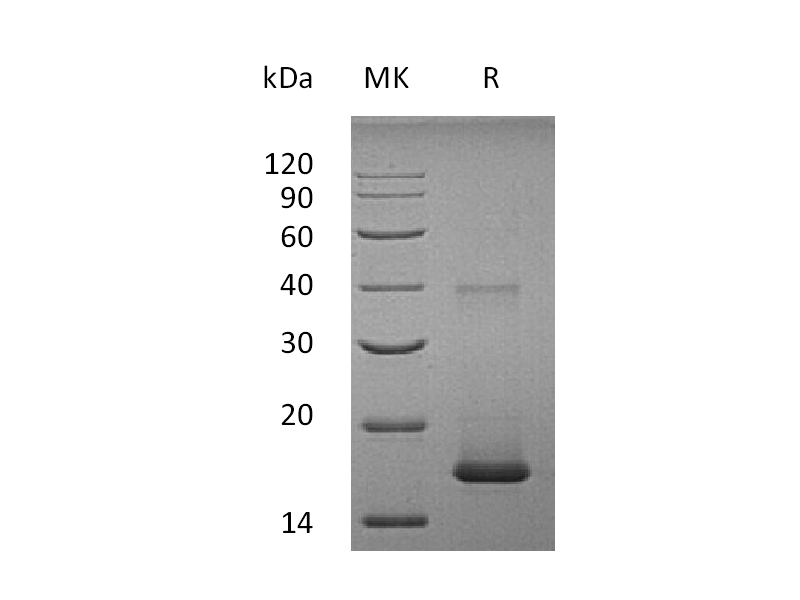
Verwandte Produkte
Hochsensitive ECL-Chemilumineszenz-Reagenz
Referenzen
1.Evolutionäre Divergenz und Funktionen der menschlichen Interleukin (IL) Genfamilie. Brocker C, et al. Hum Genomics. 2010. [PMID: 21106488]
2.Bedeutung der Interleukin-Familie in Krebsentstehung und Behandlung. Gonzalez-Aparicio M, et al. Cancers (Basel). 2021. [PMID: 33804410]
3.Die Geschichte von Fieber, leukozytären Pyrogenen und Interleukin-1. Dinarello CA. Temperature (Austin). 2015. [PMID: 27226996]
4.Analytische Überprüfung: Interleukin-6 in Chirurgie, Trauma und Intensivmedizin: Teil I: Grundlagenforschung. Jawa RS, et al. J Intensive Care Med. 2011. [PMID: 21262749]
5.Interleukine als Mediatoren des Tumorzell-Knochenzell-Crosstalk während der Initiierung von Brustkrebsknochenmetastasierung. Haider MT, et al. Int J Mol Sci. 2021. [PMID: 33809315]
6. Interleukine in Thrombozytenbiologie: Aufklärung des komplexen regulatorischen Netzwerks. Huang M, et al. Pharmaceuticals (Basel). 2024. [PMID: 38256942]
7. Interleukin-17-Familienmitglieder in Gesundheit und Krankheit. Chung S H, et al. Internationale Immunologie. 2021. [PMID: 34611705]
8. Die Immunbiologie der Interleukin-12-Familie: Raum für Entdeckung. Wojno E D T, et al. Immunität. 2019. [PMID: 30995503]
9. Interleukin-6-Familien-Zytokine. Rose-John S. Cold Spring Harbor Perspektiven in Biologie. 2018.
10. Inflammasome-unabhängige Regulation von IL-1-Familien-Zytokinen. Netea M G, et al. Jährliche Überprüfung der Immunologie. [PMID: 25493334]
11. Strukturanalyse von Zytokinen, die die IL-10-Familie bilden. Zdanov A. Cytokin & Wachstumsfaktor-Reviews. 2010. [PMID: 20846897]
12. Interleukin-2-Familien-Zytokine: Potenzial für therapeutische Immunregulation. Dumont F J. Expertenmeinung zu Therapeutischen Patenten. 2005. [PMID: 39967341]