

Plazentale alkalische Phosphatase Kaninchen-monoklonaler Antikörper
Konjugation: Unkonjugiert
Rekombinanter monoklonaler Kaninchenantikörper
Anwendung
Reaktivität
Menschlich
Genname
ALPP
Lagerung
Aliquot and store at -20°C (valid for 12 months). Avoid freeze/thaw cycles.
Zusammenfassung
| Produktname | Plazentale alkalische Phosphatase Kaninchen-monoklonaler Antikörper |
| Beschreibung | Rekombinanter monoklonaler Kaninchenantikörper |
| Wirt | Kaninchen |
| Reaktivität | Menschlich |
| Konjugation | Unkonjugiert |
| Modifikation | Unverändert |
| Isotyp | IgG |
| Klonalität | Monoklonaler Antikörper |
| Form | Flüssig |
| Konzentration | Unkonjugiert |
| Lagerung | Aliquot and store at -20°C (valid for 12 months). Avoid freeze/thaw cycles. |
| Versand | Eisbeutel. |
| Puffer | 50 mM Tris-Glycin (pH 7,4), 0,15 M NaCl, 40 % Glycerin, 0,01 % Natriumazid und 0,05 % Schutzprotein |
| Reinigung | Affinitätsgereinigt |
Antigeninformation
| Genname | ALPP |
| alternative Namen | ALPP; PLAP; Alkaline phosphatase; placental type; Alkaline phosphatase Regan isozyme; Placental alkaline phosphatase 1; PLAP-1 |
| Gene ID | 250 |
| SwissProt ID | P05187 |
| Immunogen | Ein synthetisches Peptid, das dem Zielprotein entspricht |
Anwendung
| Anwendung | WB |
| Verdünnungsverhältnis | WB 1:500-1:1000 |
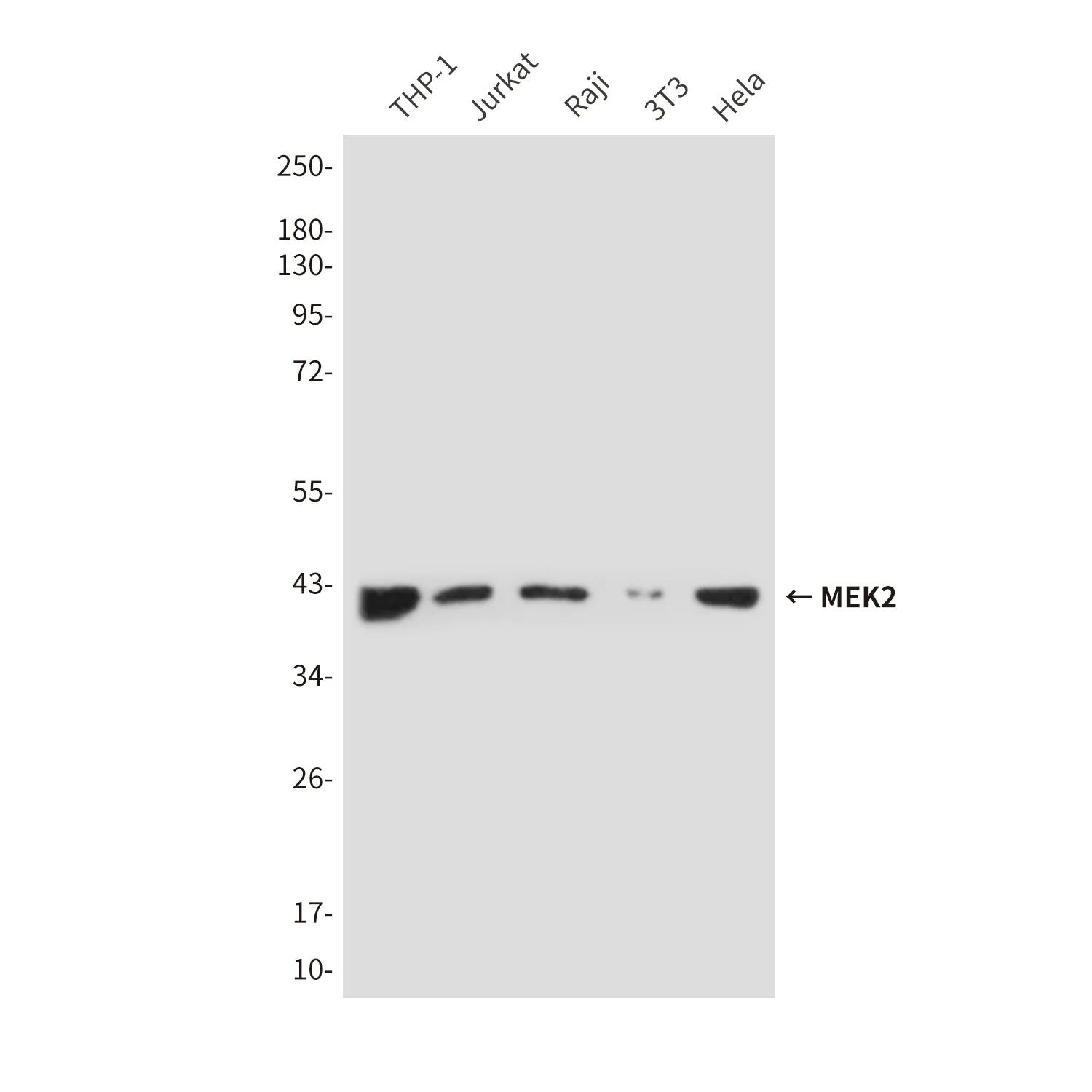
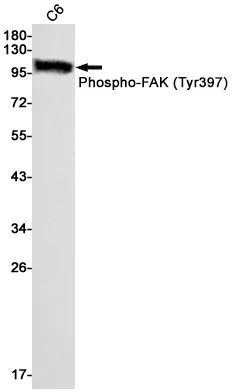
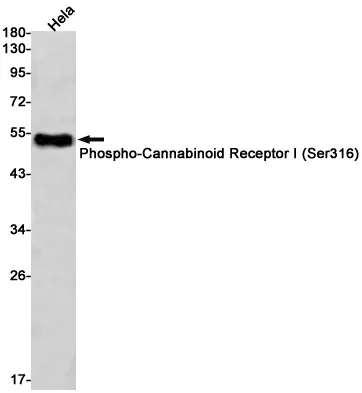
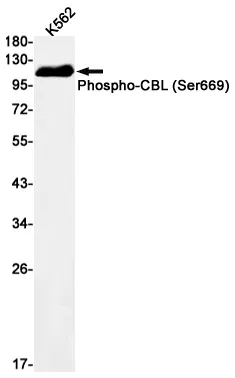
| Molekulargewicht | Calculated MW: 58 kDa; Observed MW: 70 kDa |
Forschungsgebiet
| Tags & Cell Markers |
Hintergrund
| PLAP kann die Migration von Zellen unterstützen und spezifische Moleküle wie Fettsäuren und Immunglobuline durch die Plasmamembran transportieren. Die drei gewebespezifischen APs beim Menschen – PLAP, Keimzell-AP (GCAP) und intestinale AP – weisen eine Homologie von 90–98 % auf, und ihre Gene sind auf Chromosom 2q geclustert. |